
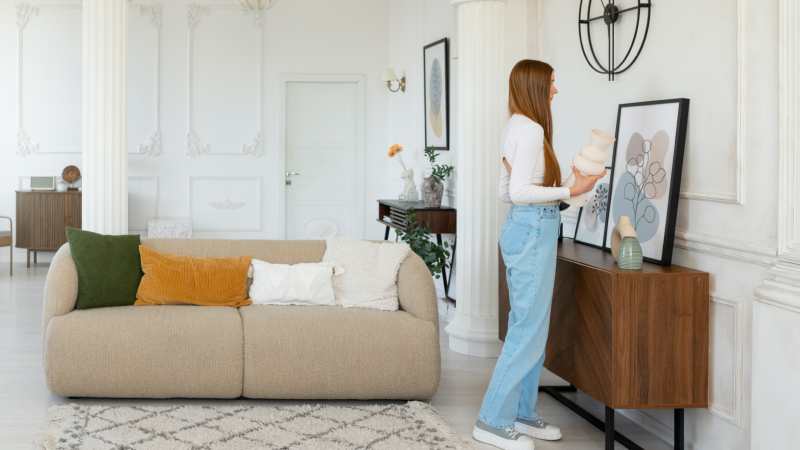
Living in a small space doesn’t mean sacrificing comfort, style, or functionality. With the right planning and design strategy, even the tiniest home can feel open, airy, and beautiful. Whether you live in a studio apartment, a small bedroom, or a compact living room, thoughtful choices can turn your limited square footage into a spacious haven. This comprehensive guide will walk you through essential methods — from layout and color choices to furniture, lighting, and décor — to help you turn a small space into a big, beautiful living area.
Start with a Clear Vision for Your Small Space
Before changing your space, you must first understand it. A clear vision helps you avoid clutter and ensures every item has a purpose.
Measure and Understand the Room
Take measurements of the walls, floor, windows, and doors. This allows you to choose furniture that fits perfectly without overwhelming the space.
Determine Your Functional Needs
Ask yourself:
-
Do you need a workspace?
-
Is storage your biggest concern?
-
Do you want a cozy sitting area or something more minimal?
Having clarity ensures the design works for your lifestyle.
Declutter: The First Step to Making Space Feel Larger
Clutter is the biggest enemy of spaciousness. Even beautiful décor can make a small room feel cramped if there’s too much of it.
Adopt a Minimalist Mindset
You don’t need to live a bare life — just eliminate what you don’t use or love. Simplicity creates visual breathing room.
Smart Organization Solutions
Use baskets, bins, drawer organizers, and labels. The key is to hide small items that create visual chaos.
One-In, One-Out Rule
Every time you buy something new, try removing an old item. This helps maintain balance long term.
Use Light Colors to Open Up the Room
Color is one of the most powerful design tools for expanding a small living area.
Choose Soft, Light Tones
Light colors reflect light and visually widen a room. Great choices include:
-
Whites and off-whites
-
Soft grays
-
Creams
-
Pastel blues and greens
These shades make the room feel open and airy.
Add Depth with Subtle Contrasts
Use slightly darker accents (like pillows or rugs) to create dimension without making the room feel cluttered.
Embrace Natural Light
Natural light is the secret weapon for making any space feel larger.
Keep the Windows Clear
Avoid heavy drapes or bulky curtains. Instead, use:
-
Sheer curtains
-
Light blinds
-
No curtains at all (if privacy isn’t a concern)
Use Reflective Surfaces
Mirrors placed opposite or near windows bounce light and create the illusion of more space.
Let Light Travel Freely
Avoid blocking windows with tall furniture. Keeping light pathways open instantly enlarges the room.
Choose Multi-Functional Furniture
Small spaces require smart furniture choices. Every piece should work double or triple duty.
Examples of Multi-Functional Furniture
-
Sofa beds: Great for living rooms that double as guest rooms.
-
Storage ottomans: Seating + hidden storage.
-
Coffee tables with shelves: Adds function without taking extra floor space.
-
Foldable wall-mounted desks: Create a workspace without permanently occupying room.
Benefits
You save space, reduce clutter, and increase functionality without overcrowding the room.
Use Vertical Space Wisely
When floor space is limited, think upward.
Install Floating Shelves
They keep items lifted off the floor and create more storage without consuming square footage.
Tall Storage Units
Tall bookshelves or cabinets draw the eye upward, making the room feel taller.
Hang Décor Vertically
Vertical artwork, mirrors, or wall patterns add height and give the impression of a larger room.
Choose Furniture with Exposed Legs
Furniture that sits directly on the floor looks heavy. Instead, choose pieces that lift off the ground.
Why Exposed Legs Work
They create visual gaps beneath the furniture, allowing your eyes to see more of the floor, which gives the illusion of space.
Best Items to Choose
-
Sofas
-
Coffee tables
-
Armchairs
-
Bed frames
This small shift can dramatically improve how spacious the room feels.
Keep Your Layout Open and Airy
Placement of furniture is just as important as the furniture itself.
Avoid Blocking Walkways
Ensure you can move around the room freely. Tight pathways make the space feel congested.
Float Furniture
Instead of pushing everything against the wall, consider positioning your sofa or chairs in a more central layout. This creates balance and openness.
Group Function Areas
In small spaces, combining functions helps efficiency. For example:
-
A dining table can double as a workstation.
-
A sofa table can act as a storage unit.
Use Mirrors to Make the Room Feel Bigger
Mirrors reflect light, create depth, and visually multiply space.
Where to Place Mirrors
-
Behind a sofa
-
Opposite windows
-
At the entryway
-
Above a console table
Best Mirror Types
-
Oversized wall mirrors
-
Floor-to-ceiling mirrors
-
Mirror panels
These provide a dramatic expansion effect.
Add Light in Layers
Lighting is a major component in shaping how big or small a room feels.
Use Multiple Light Sources
Don’t depend solely on ceiling lights. Instead, combine:
-
Table lamps
-
Floor lamps
-
Wall sconces
-
LED strip lights
This layered lighting reduces shadows and adds depth.
Warm Light Feels Inviting
Warm tones mimic natural sunlight and make the room feel cozy yet open.
Use Rugs Strategically
Rugs help define different zones in small spaces.
Choose Larger Rugs
A larger rug actually makes the room appear bigger by anchoring the furniture and creating continuity.
Avoid Busy Patterns
Choose subtle or solid colors to keep the space calm and uncluttered.
Incorporate Transparent or Glass Furniture
Transparency reduces visual weight, making the room appear more spacious.
Best Transparent Furniture Options
-
Acrylic chairs
-
Glass coffee tables
-
Clear shelving units
These pieces blend into the room but still provide full functionality.
Keep Décor Simple and Thoughtful
Decorations add charm but must be used wisely in small spaces.
Choose Statement Pieces
Instead of many small items, pick one or two bold decorative elements like:
-
An oversized painting
-
A stylish lamp
-
A large plant
Avoid Overcrowding Walls
Too many frames or wall art pieces can make the room look cluttered. Minimalism works best here.
Add Greenery to Bring Life
Plants instantly brighten and freshen any space.
Choose Low-Maintenance Small Plants
Good options include:
-
Snake plants
-
Succulents
-
Pothos
-
Peace lilies
Use Vertical Plant Stands
They save space and add natural beauty.
Maintain a Clean, Organized Look Daily
Consistency is key to ensuring your space stays open and inviting.
Daily Tidying Habits
-
Make your bed
-
Put away items after use
-
Keep surfaces clean
-
Limit clutter buildup
Store Items Out of Sight
Use baskets, closed cabinets, and storage beds to hide items and maintain a visually spacious environment.
Conclusion
Transforming a small space into a big, beautiful living area is entirely possible with the right approach. By focusing on light, color, smart furniture, thoughtful layout, and a clean aesthetic, you can make your compact home feel airy and expansive. Every design choice matters — from vertical storage and multi-functional furniture to transparent décor and layered lighting. With these strategies, even the smallest room can become a comfortable, stylish, and spacious-feeling sanctuary.